A newly translated interview has shed light on the design philosophy behind "Pokémon FireRed and LeafGreen," revealing that the remakes were intentionally built with accessibility in mind to welcome a wider range of players, including younger audiences and older newcomers.
The interview originally appeared in a 2004 issue of Nintendo Dream and was later translated by DidYouKnowGaming. Now, fans learned a new insight into how Game Freak approached the development of the classic remakes.
Game Freak Prioritized Simplicity and Accessibility
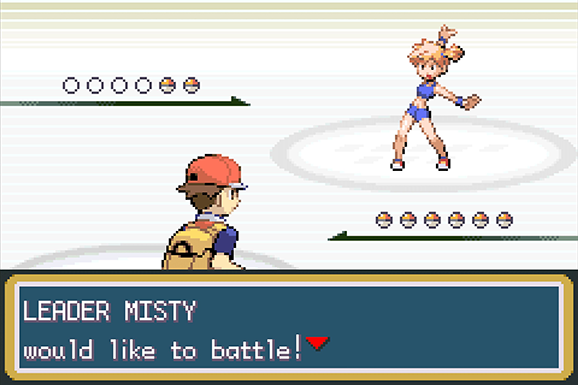
According to series director Junichi Masuda, the development team deliberately lowered the difficulty compared to earlier entries to make the experience more approachable. The goal was to ensure that both returning fans and new players could enjoy the game without feeling overwhelmed or frustrated.
To support this, developers introduced features like startup recap messages that remind players of their progress. These were designed especially for those who played less frequently and might need help reorienting themselves when returning to the game.
Design Choices For a Wider Audience
The interview also resonates with the development team's philosophy of making games for everyone. Pokémon games should be playable, even for someone with little gaming experience. At the time, Masuda and others reportedly considered accessibility for players as wide-ranging as children and even older adults.
Polygon noted that this mindset influenced practical design decisions, such as simplifying controls and making menus easier to understand. Common actions were mapped to intuitive buttons, reducing the learning curve for new players.
Kanto Was Built for Clarity
Lead graphics designer Takao Unno explained that early design instructions emphasized clarity over complexity. In-game environments were intentionally simplified so players could easily understand navigation without confusion.
Even subtle visual cues, like rugs extending toward exits to indicate doorways, were added to guide players naturally through the world of Kanto. Indoor layouts, object placement, and movement paths were all structured to reduce friction and improve readability.
Today, the accessibility-first approach behind "Pokémon FireRed and LeafGreen" is widely seen as part of the franchise's long-term identity. It's initially exclusive to Game Boy, then later became available to emulators. Just last month, Nintendo made it accessible on Nintendo Switch.
Originally published on Player One