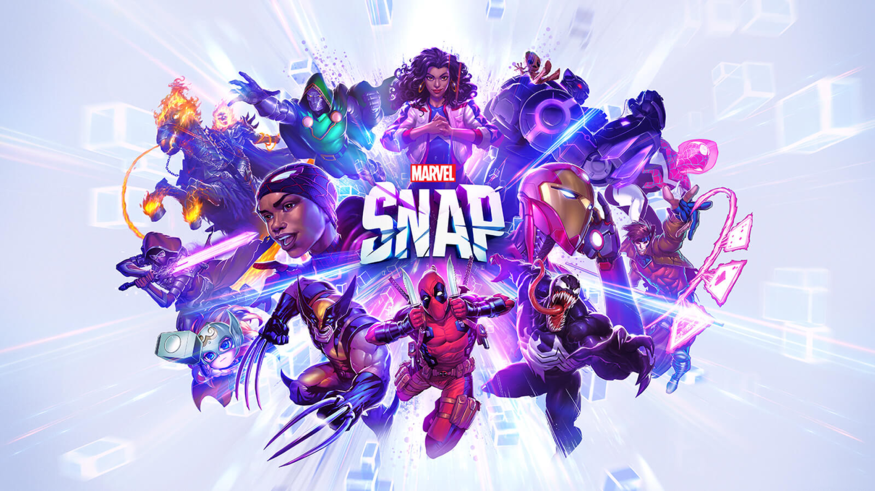
When Marvel Snap launched its nationwide six-part ad campaign in early 2024, it marked a bold experiment: a serialized comedy created to promote a mobile card game. More than a year later, the project remains a case study in how cinematic storytelling can elevate game marketing, continuing to shape industry conversations well into 2025.
A Milestone in Game Marketing
The six-episode campaign aired across U.S. television and digital platforms, extending its reach far beyond its initial run. For Marvel Snap, the ads not only drove immediate downloads but also left a cultural imprint that continues to spark discussion. Industry analysts see the project as a clear example of how short-form, episodic advertising can sustain engagement long after launch.
About Marvel Snap
Developed by Second Dinner and published by Nuverse, Marvel Snap is a fast-paced collectible card game set in the Marvel universe. Since its global debut, it has been praised for its quick matches, strategic depth, and creative use of iconic characters. Its popularity made it a natural candidate for an ambitious marketing approach.
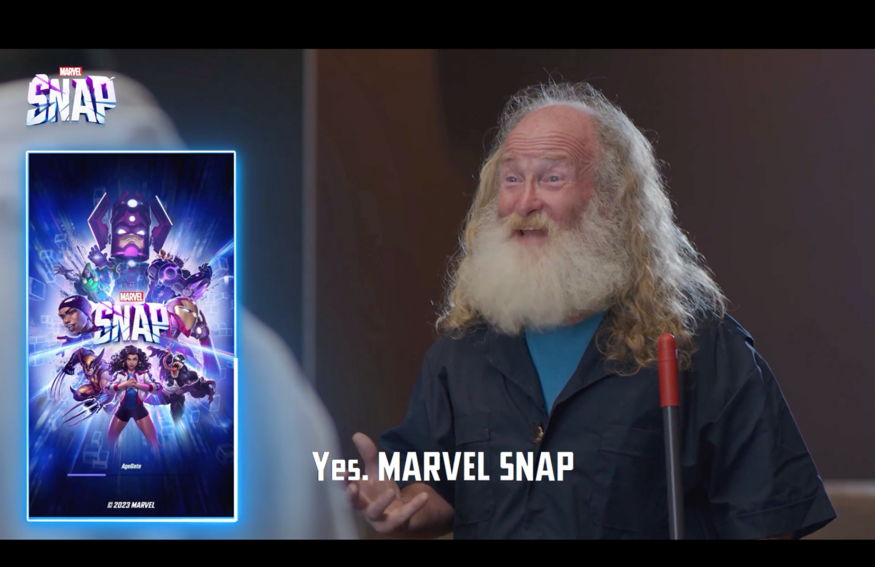
The Comedy Campaign
Rather than relying on conventional commercials, the marketing team developed a six-part comedy series. Each short ad centers on an absurd yet playful encounter in which the protagonist finds an unexpected ally—the perfect Marvel hero for the moment:
- A lonely desert gas station leads to a surprising rescue.
- A Western saloon standoff flips into comic relief.
- A mafia boardroom confrontation ends with an unlikely superhero intervention.
- An awkward movie theater encounter takes a magical turn.
- A casual meeting in the park becomes a battle of wits.
- Other quirky meet-cutes keep the humor flowing.
With its sketch-like tone and situational comedy, the series merged entertainment and brand storytelling, delivering laughs while reinforcing Marvel Snap's core themes of variety and discovery.
Behind the Camera
The campaign was led by Walter Ma (Guozheng Zou), who served as both producer and director. Ma played a central role in shaping the creative direction—from casting to tone—while ensuring the production aligned with the client's vision.
"We wanted each spot to feel like a miniature story," Ma explains. "The challenge was balancing humor with clarity—making sure each scene was funny and surprising, but still anchored to the Marvel Snap experience."
By maintaining this focus, the six episodes—though set in very different worlds—shared a coherent style and consistent narrative voice.
Postproduction Vision
Much of the campaign's lasting impact was shaped in postproduction under the leadership of Hazel Xinran Gu, who served as postproduction producer. Hazel oversaw editing, sound design, finishing, greenscreen compositing, and hero card visual effects, ensuring the humor and pacing stayed sharp while also preserving a consistent visual identity across all six episodes.
"In comedy, timing is everything," Hazel notes. "Our job in post was to make sure every beat landed just right—tight cuts, quick reactions, seamless rhythm, and polished effects. That's what made the absurdity feel natural and the humor really resonate."
Cinematic Style
Visual design was equally crucial. Hao Yan, the campaign's director of photography, gave each setting its own identity while keeping the series visually unified. From the dusty tones of the Western-inspired episodes to the stylized tension of the mafia boardroom, Hao balanced cinematic polish with comedic timing.
"Comedy lives in the frame," Hao reflects. "Where you place the camera, when you move it, how you light the scene—all of that shapes the joke. For Marvel Snap, we wanted every shot to feel cinematic but still playful, so the humor carried through as much as the story."
Industry Impact and Broader Trends
The Marvel Snap campaign aligned with a broader trend in entertainment marketing: serialized, story-driven advertising that mirrors the way audiences consume binge-worthy shows. Much like the rise of vertical short dramas on mobile platforms, these ads blurred the line between content and promotion.
Analysts note that game publishers are increasingly embracing episodic formats, recognizing that today's players respond best to humor, characters, and narrative arcs rather than straightforward product spots. Marvel Snap's six-part series stands as an early and influential example of how this model can scale to both immediate impact and lasting cultural buzz.
Closing Thoughts
As gaming and entertainment continue to converge, Marvel Snap's comedy series demonstrates the power of narrative-driven advertising. One year on, the campaign is remembered not only as a marketing success but also as a turning point—showing how stories, humor, and cinematic style can redefine how games are presented to the world.


