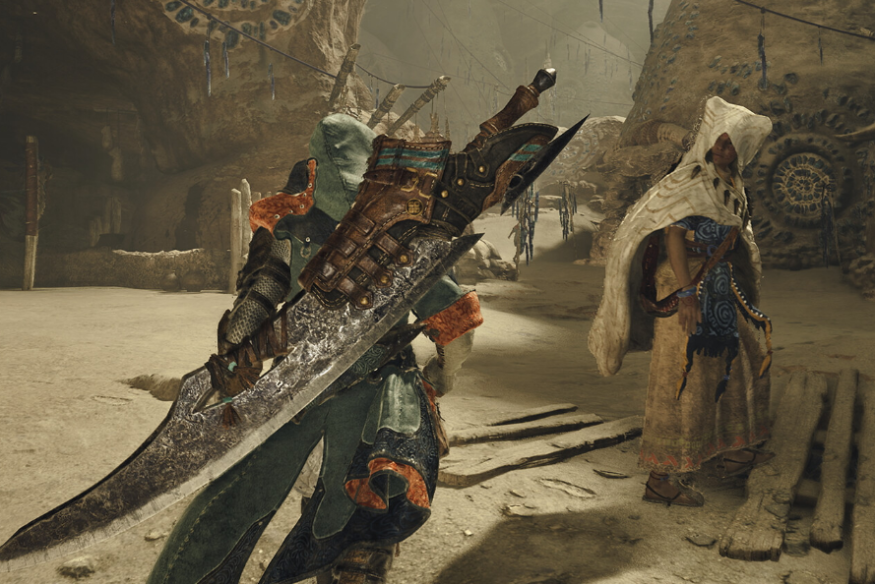
The combat system in "Monster Hunter Wilds" continues the series' tradition of rewarding strategy, precision, and preparation. Elemental damage plays a crucial role in how effectively a hunter can take down large monsters scattered across the game's diverse biomes.
Choosing the best weapon element for a specific target can mean the difference between an exhausting 30-minute struggle and a swift, coordinated victory. Understanding large monster weaknesses and how elements interact with the environment helps players craft smarter builds and make better use of the game's dynamic combat system.
What Is Elemental Damage in 'Monster Hunter Wilds?'
In "Monster Hunter Wilds," elemental damage is an additional damage type layered on top of a weapon's base attack. Each weapon can deal either raw (physical) damage, elemental damage, or a combination of both.
The elemental system includes five main types, Fire, Water, Thunder, Ice, and Dragon, each interacting differently with a monster's innate resistances and vulnerabilities.
Where raw damage relies on pure attack power, elemental damage is calculated by how well a weapon's elemental type matches a monster's natural weakness. For example, striking an ice-based creature with a Fire weapon will yield higher damage numbers, while hitting a creature resistant to heat will barely scratch it.
For hunters prioritizing efficiency, balancing elemental power with raw attack is essential. A weapon with high elemental affinity can outperform a stronger raw build if paired correctly with a monster's weakness.
How Does Elemental Weakness Work Against Large Monsters?
Every large monster in "Monster Hunter Wilds" has a set of elemental resistances and weaknesses rooted in its biology and environment. Monsters that dwell in deserts or volcanic zones often resist heat-based elements, while creatures found in tundras or snowfields are typically weak to Fire or Thunder.
These weaknesses are mapped into numerical hitzones within the monster's data. Hitting the correct body part with a matching element increases damage efficiency.
Hunters new to the series often underestimate how much variation exists between hitzone values; a wing or head might take far more Fire damage than a tail or leg. Understanding these mechanics helps maximize damage per strike and allows hunters to conserve resources during long hunts.
What Are the Element Types in 'Monster Hunter Wilds?'
"Monster Hunter Wilds" features a range of elemental types that interact with monsters and the environment in different ways:
- Fire Element, Ideal for monsters adapted to cold climates or ice-based attacks, such as frost wyverns or tundra beasts.
- Water Element, Effective against creatures imbued with fire or magma traits; particularly useful in volcanic biomes.
- Thunder Element, Excels against flying monsters, aquatic predators, or beasts with watery exteriors.
- Ice Element, Works well on creatures vulnerable to low temperatures, such as desert dwellers or sand-based species.
- Dragon Element, A rare, late-game element powerful against Elders or mythical creatures with high resistances to normal elements.
Each element's potency can be influenced by environmental factors. For instance, weapons with Water damage might perform better in rain-soaked areas, while Fire damage could be weakened during sandstorms due to heat dispersion.
This interplay between ecology and combat is one of the defining traits of Wilds' expansive world design.
How to Choose the Best Weapon Element
Selecting the best weapon element in "Monster Hunter Wilds" depends on weapon type, target monster, and playstyle. Fast-striking weapons like Dual Blades or Insect Glaives extract the full potential from elemental damage, as their frequent hits trigger multiple elemental procs per second.
In contrast, high-damage weapons like Great Swords or Hammers often rely more on raw attack since their slower speed reduces elemental activation rates.
To identify the right element:
- Check a monster's elemental profile in the Hunter's Notes.
- Match your weapon's element to its highest weakness rating.
- Adjust gear pieces that enhance that element's output, such as armor skills or charms.
Skills like Elemental Attack Boost, Critical Element, and Weakness Exploit can multiply elemental impact dramatically. Hunters who tailor their build around these features can turn even modest weapons into lethal tools against the right target.
Element Matchup Guide: Best Elements for Each Monster
A proper element matchup guide is essential for tailoring strategy to every creature in "Monster Hunter Wilds." While the exact details may vary as the game's roster expands, early research and community testing point toward the following patterns:
- Razorwing Wyvern (Wind type), Weak to Thunder
- Lavalisk (Magma-type), Weak to Water
- Snowfang Beast (Frost type), Weak to Fire
- Gravemane Brute (Rock-type), Weak to Dragon
- Sandmaw Leviathan (Desert type), Weak to Ice
Some monsters may shift their elemental properties mid-battle, especially those tied to environmental phenomena.
For instance, a sand-dwelling Leviathan may gain a rock armor layer that changes its elemental resistances halfway through a fight. Hunters should carry elemental coatings or secondary loadouts to adapt in real time to such transformations.
Are Status Effects Different from Elemental Damage?
Yes, status effects and elemental damage are two separate systems in "Monster Hunter Wilds." Elemental damage represents continuous, instant damage applied with every strike, while status effects rely on an invisible buildup meter. Once that meter is filled, the monster suffers a unique reaction, such as Poison, Paralysis, Sleep, or Blast.
Unlike elements, status effects generally work across multiple monster types but require consistent hits or specialized builds to trigger.
Hunters sometimes combine the two systems: for example, using a Thunder element weapon with Paralysis coating to capitalize on electrified vulnerability. The synergy between both systems helps create diverse team strategies during multiplayer hunts.
How to Check a Monster's Elemental Weakness in the Field
While much of the research data comes from hunter notes and ecological studies, players can also identify a monster's elemental weakness through real-time observation. Clues include:
- Visual reactions to certain elements (flinches, sparks, or burns).
- Environmental interactions, such as water extinguishing flaming body parts.
- Color changes or stagger animations that occur after elemental strikes.
These cues are especially useful for first-time encounters when reference data may not yet exist in the Hunter's Notes. In cooperative play, teams often experiment with multiple elements simultaneously to determine a monster's weak points more efficiently.
Tips for Maximizing Elemental Damage
Hunters looking to push their elemental output should optimize weapon builds and take advantage of environmental bonuses. A few effective habits include:
- Upgrade paths: Focus on weapons that scale naturally with high elemental affinity.
- Crafting armor synergy: Combine armor pieces with Elemental Boost or Critical Element skills.
- Consumables: Use coatings, potions, and meal bonuses that enhance elemental attributes.
- Positioning: Target parts with high elemental hitzone values (typically heads, wings, or torsos).
- Adaptation: Swap elemental types between quests rather than sticking to a single favorite weapon.
These incremental adjustments can lead to dramatic gains in hunting efficiency, particularly in multiplayer settings where coordinated elemental targeting compounds team damage.
Mastering Elemental Matchups in 'Monster Hunter Wilds'
Mastering elemental damage in "Monster Hunter Wilds" is about understanding the relationship between weapon type, monster behavior, and environmental interaction. Hunters who take the time to study large monster weaknesses and adjust their setups using this element matchup guide gain a significant advantage in combat.
Every species reacts differently, and each ecosystem introduces its own set of challenges that make the right weapon element critical for survival.
By staying adaptable and learning how elemental systems tie into the game's evolving landscapes, hunters can elevate their performance and enjoy a richer, more strategic experience each time they set out into the wild.
Frequently Asked Questions
1. Can elemental damage stack with environmental effects in 'Monster Hunter Wilds?'
Yes. Certain environments, like thunderstorms or volcanic zones, can amplify or weaken elemental attacks depending on the element used. Positioning and timing attacks in these zones can increase total damage output.
2. Do elemental resistances change between solo and multiplayer hunts?
No. Monster resistances remain constant, but their health and endurance scale up in multiplayer hunts, making effective elemental matchups even more valuable when playing with a team.
3. Are hybrid elemental weapons confirmed in 'Monster Hunter Wilds?'
While not officially confirmed, leaks and previews suggest some late-game weapons may feature dual-element mechanics, allowing players to adapt to monsters with mixed resistances.
4. Is elemental damage affected by weapon sharpness levels?
Yes. Just like raw damage, sharpness modifies elemental output, higher sharpness tiers slightly boost elemental performance, making proper weapon maintenance essential for optimal results.
Originally published on Tech Times