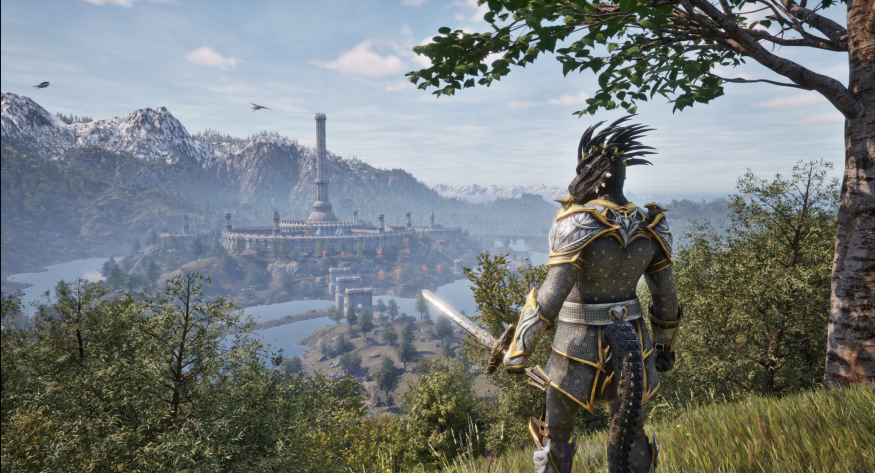
Video game modding has become one of the most important forces behind long-term video game longevity, allowing older titles to stay relevant long after their official support ends.
Through modding communities, players continue to expand, improve, and reshape games using user-generated content that ranges from small fixes to complete gameplay overhauls. In PC gaming especially, game modding has turned many titles into evolving platforms rather than static releases.
This ongoing creativity shows how fan-made content can keep player engagement strong for years or even decades. Instead of a game ending at launch, modding communities continue building new experiences that extend replay value and refresh interest. For readers exploring community creativity in gaming, modding demonstrates how shared passion can keep digital worlds alive far beyond their original release cycle.
How Modding Communities Extend Game Life
Modding communities extend game life by adding new content through video game modding, including quests, maps, characters, and systems. This keeps gameplay fresh long after release and strengthens long-term video game longevity by continuously expanding what players can experience.
Game modding also improves gameplay and visuals, with balance changes, bug fixes, and quality-of-life updates that make older titles smoother and more enjoyable. Texture upgrades, lighting improvements, and performance tweaks help games feel modern again while increasing replay value.
PC gaming mod support also preserves older titles by keeping them compatible with new systems and encouraging user-generated content. Through modding communities, players create and share new experiences, helping even niche games stay relevant for years.
Why Players Stay Engaged For Years
One of the main reasons video game modding works so well is that it gives players control over their experience through game modding. Instead of relying only on official updates, users can reshape gameplay, visuals, and mechanics to match their preferences, making modding communities a strong driver of long-term engagement.
Modding communities also build social connections in PC gaming by encouraging players to share, test, and improve mods together. This constant interaction keeps discussions active even after official support ends and strengthens the sense of shared creativity.
Another key factor is that user-generated content often fills gaps left by developers. Many mods fix bugs, improve balance, or expand features that were incomplete in the base game. This helps improve video game longevity and makes the experience feel more polished over time.
Read more: How Much RAM Do You Really Need When Building or Upgrading a PC? RAM Requirements Explained
Why Some Games Become Modding Classics
Certain games naturally become modding classics because they are built with flexibility, modding tools, and PC gaming customization in mind. This foundation allows video game modding to grow into large ecosystems where players continuously create and share content, keeping older titles active far beyond their original release.
Games with deep mechanics also encourage experimentation, especially in genres like role-playing, sandbox, survival, and simulation. This freedom increases replay value and strengthens video game longevity, with titles like "Left 4 Dead 2" remaining active for nearly 20 years thanks to continuous modding community support and user-generated content.
Emotional connection also plays a major role in why modding communities stay engaged for so long. When players feel attached to a game world, they expand it through new ideas, turning it into a shared creative space. Over time, this keeps certain games alive for decades.
Modding Keeps Games Fresh, Relevant, And Worth Returning To
Video game modding transforms finished titles into evolving platforms shaped by community creativity, which is why modding communities can keep games alive for decades.
Through game modding, players continuously add content, improve systems, and enhance visuals, all of which support strong video game longevity and long-term replay value. In PC gaming, this cycle of user-generated content ensures that many games never truly fade.
Instead of ending after release, games supported by modding communities continue to grow through shared effort and imagination. For readers exploring community creativity, the key idea is that modding turns static experiences into living worlds. This ongoing evolution is what keeps many games relevant, engaging, and worth returning to long after their original launch.
Frequently Asked Questions
1. What is video game modding?
Video game modding is the process of modifying or adding to a game using user-created content. It can include new features, visuals, or gameplay changes. Modding communities often share these changes online for others to use. This helps extend video game longevity.
2. Why do modding communities matter in PC gaming?
Modding communities keep games active by continuously creating new content and improvements. They help fix issues, expand gameplay, and improve replay value. In PC gaming, this is especially common because the platform supports customization. It allows games to stay relevant for many years.
3. How does game modding improve replay value?
Game modding introduces new missions, challenges, and mechanics that refresh the experience. Players can try different mods each time they return to a game. This variety increases engagement and replay value significantly. It makes older games feel new again.
4. Why do some games have stronger modding communities?
Games with flexible systems and modding tools tend to attract more creators. These games allow more freedom for user-generated content and experimentation. Strong community interest also helps sustain modding over time. This combination leads to long-lasting video game longevity.