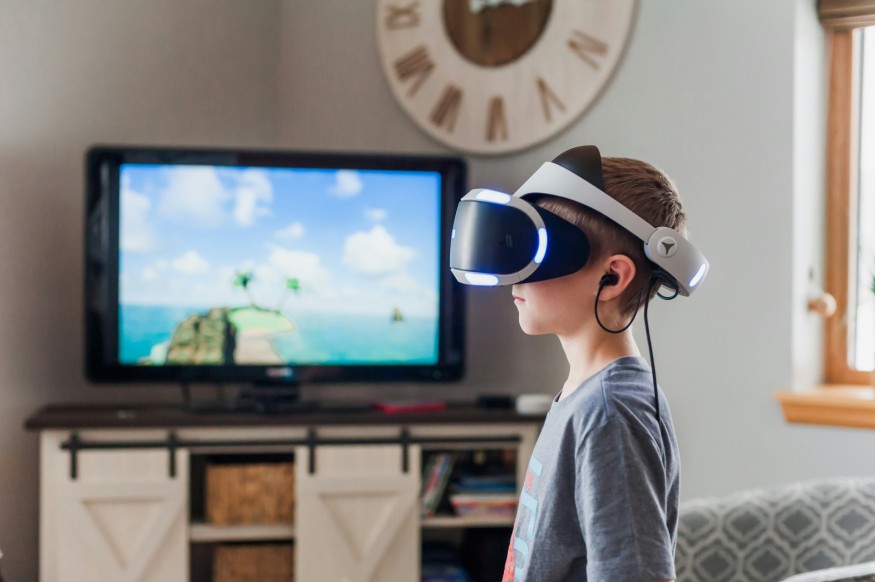
VR headsets have become far more advanced in 2026, offering sharper visuals, improved tracking systems, and more flexible use across gaming, media, and mixed reality experiences. Virtual reality headsets are no longer limited to niche audiences, as better hardware and expanding software libraries have made them more practical for everyday entertainment and immersive work.
In a proper VR headset comparison, factors like display quality, comfort, field of view, and refresh rate play a major role in shaping the experience. Standalone VR, PC VR, and console-based systems all serve different needs, which means the best choice depends heavily on how the device will be used.
Understanding these differences helps users choose a headset that fits both performance expectations and budget without overcomplicating the decision.
Top VR Headsets To Consider In 2026
VR headsets in 2026 offer a wider range of choices than ever before, from affordable standalone VR devices to high-end PC VR and mixed reality systems. Different models focus on different strengths, including VR gaming performance, display clarity, comfort, and ecosystem support. Choosing the right virtual reality headset depends on how the device will be used and which features matter most to the user.
- Meta Quest 3: The Meta Quest 3 remains one of the most balanced VR headsets in 2026, offering strong performance, wireless convenience, and solid support for VR gaming and mixed reality. Its ecosystem and ease of use make it a popular all-around choice.
- Meta Quest 3S: The Quest 3S provides a more affordable entry point into standalone VR while keeping access to the same platform ecosystem. It is ideal for beginners who want reliable virtual reality headsets without high costs.
- PlayStation VR2: Designed for console users, the PS VR2 delivers immersive VR gaming with strong visual fidelity and deep PlayStation integration. It is best suited for users already invested in the PlayStation ecosystem.
- Apple Vision Pro: Apple Vision Pro focuses on mixed reality rather than traditional VR gaming, offering high-end displays and spatial computing features. It stands out in VR headset comparison discussions due to its premium visual experience.
- HTC Vive Pro 2: The HTC Vive Pro 2 is a strong PC VR option with high resolution and detailed visual output. It is designed for users who prioritize performance and precision in demanding VR applications.
- Pimax headsets: Pimax devices are known for their ultra-wide field of view, making them attractive to users seeking maximum immersion. They are often included in advanced VR headset comparison lists.
- Varjo devices: Varjo headsets target professional and simulation use with extremely high visual accuracy. While not primarily focused on gaming, they represent the high end of virtual reality headsets technology.
What Matters Most In A VR Headset Comparison
Display quality is one of the most important factors in any VR headset comparison because it directly affects immersion and comfort. Resolution, lens clarity, field of view, and refresh rate all influence how realistic virtual reality headsets feel during use. Higher refresh rates help reduce motion blur and improve smoothness in VR gaming, especially during fast movement or long play sessions. Tracking systems also matter, with inside-out tracking offering easier setup while external tracking can provide greater precision for advanced users.
Platform support is another major consideration when choosing VR headsets. Some devices are designed mainly for standalone VR, while others work best with PC VR or console ecosystems, which affects available games and applications. Software ecosystem strength is equally important because a headset with strong developer support and a large content library often delivers a better long-term experience than hardware specs alone.
How To Choose The Right VR Gaming Headset
Choosing the right VR gaming headset depends on comfort, platform compatibility, and the type of experience a user wants most. Some VR headsets prioritize standalone convenience, while others focus on high-performance PC VR or advanced mixed reality features.
- Comfort and design: Comfort affects long-term use more than most users expect. A balanced weight distribution improves extended VR gaming sessions.
- Usage type: Standalone VR headsets are better for portability and casual use, while PC VR systems offer higher performance and graphics quality.
- Platform ecosystem: Console users benefit from dedicated systems like PS VR2, while PC users gain access to more advanced customization and content variety.
- Display and immersion: A wider field of view improves immersion and reduces the "screen door" effect. It plays a key role in selecting high-quality VR headsets.
The Best VR Headset Depends On How It Will Be Used
The strongest VR headsets in 2026 vary widely in purpose, from standalone convenience to high-end PC VR and mixed reality systems. A proper VR headset comparison should consider display quality, refresh rate, field of view, tracking method, and software ecosystem rather than focusing only on specs.
For VR gaming, some users prioritize performance, while others value portability or ease of use. The right choice among virtual reality headsets depends on whether the goal is immersive gaming, media consumption, or professional applications. Each category serves a different type of experience rather than one universal standard.
Frequently Asked Questions
1. What is the difference between standalone VR and PC VR?
Standalone VR headsets operate independently without needing a computer, making them easier to set up and use. PC VR headsets require a powerful computer to run higher-quality graphics and more demanding games. Standalone systems focus on convenience, while PC VR focuses on performance. Both types of VR headsets serve different user needs depending on usage style.
2. Is refresh rate important in VR gaming?
Yes, refresh rate plays a major role in VR gaming comfort and smoothness. Higher refresh rates reduce motion blur and improve realism in fast-paced environments. Lower refresh rates can cause discomfort during long sessions. Most modern virtual reality headsets now prioritize higher refresh performance.
3. What does field of view mean in VR headsets?
Field of view refers to how much of the virtual world you can see at once. A wider field of view increases immersion and makes experiences feel more natural. Narrower views can feel more restrictive and less realistic. It is an important factor in any VR headset comparison.
4. Are mixed reality headsets better than traditional VR headsets?
Mixed reality headsets combine real-world visuals with virtual elements, offering more flexible use cases. They are useful for productivity, media, and advanced applications beyond gaming. Traditional VR headsets are often more focused on gaming immersion. The better option depends on how the user plans to use the device.
Originally published on Tech Times