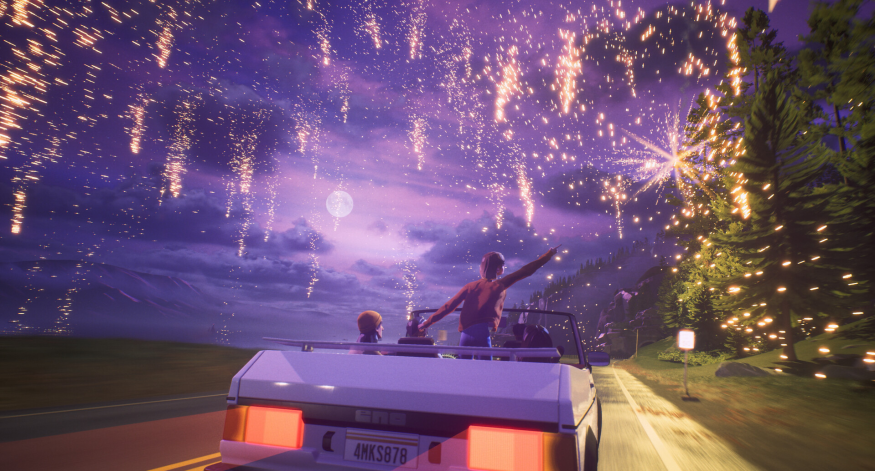
"Mixtape" is quickly becoming one of the most talked-about story driven games of 2026 because of how naturally it combines music, friendship, and emotional gameplay. Rather than relying on combat systems or complex branching paths, this indie narrative game focuses on atmosphere, memories, and human connection. Its soundtrack and visual style work together to create a deeply personal coming-of-age story that feels intimate without becoming overly dramatic.
What makes "Mixtape" stand out among narrative adventure games is its ability to capture emotion through small moments instead of huge plot twists. The experience feels less like a traditional game and more like reliving memories tied to music, awkward conversations, and changing friendships. That grounded approach gives the adventure a sincerity that many modern story driven games struggle to achieve.
Why 'Mixtape' Works As A Coming-Of-Age Game
"Mixtape" works as a coming-of-age story because it focuses on emotion, memory, and character relationships instead of complex systems or branching paths. "Mixtape" keeps its narrative simple but meaningful, allowing each moment to feel personal and grounded. This approach helps the story driven game deliver a consistent emotional tone from start to finish.
- Focus on Emotion Over Choices: "Mixtape" avoids branching dialogue systems and fail states, choosing instead to focus on character interaction and emotional storytelling. This keeps the experience direct and helps the story unfold naturally without distraction.
- Believable and Natural Dialogue: Conversations feel authentic because characters interrupt each other, joke, and shift between humor and sincerity. Unlike many story driven games, "Mixtape" keeps its writing grounded, making friendships feel real rather than scripted.
- Balanced Use of Nostalgia: The game captures nostalgia without overdoing sentimentality, mixing funny, awkward, and emotional moments. This balance allows the indie narrative game to feel honest rather than overly idealized.
- Memory-Based Story Structure: Each scene is tied to memories, keepsakes, or shared experiences that build emotional context over time. This structure reinforces how music and memory shape the overall experience.
- Short and Focused Runtime: At around three hours, "Mixtape" feels tightly paced and intentionally structured. Every moment feels carefully chosen, like tracks on a mixtape, with no unnecessary filler.
How 'Mixtape' Uses Music And Gameplay
Music is the emotional backbone of "Mixtape", shaping how each moment feels rather than just playing in the background. Early-90s and classic tracks are carefully matched to scenes, giving every chapter a distinct emotional rhythm tied to memory and mood.
This integration helps the indie narrative game stand out among story driven games. Some moments feel energetic and rebellious, while others become soft and reflective depending on the soundtrack. Music turns simple interactions into emotionally meaningful experiences.
Gameplay stays intentionally simple, focusing on small interactions instead of complex systems or difficulty. Rhythm segments, light minigames, and social moments build emotional immersion while keeping attention on the story. Music and gameplay work together, making emotions feel natural and deeply connected.
Read more: '007 First Light' Review: Gameplay, Release Date, and Features of the New 'James Bond' Game
Why The Story Feels Personal And Universal
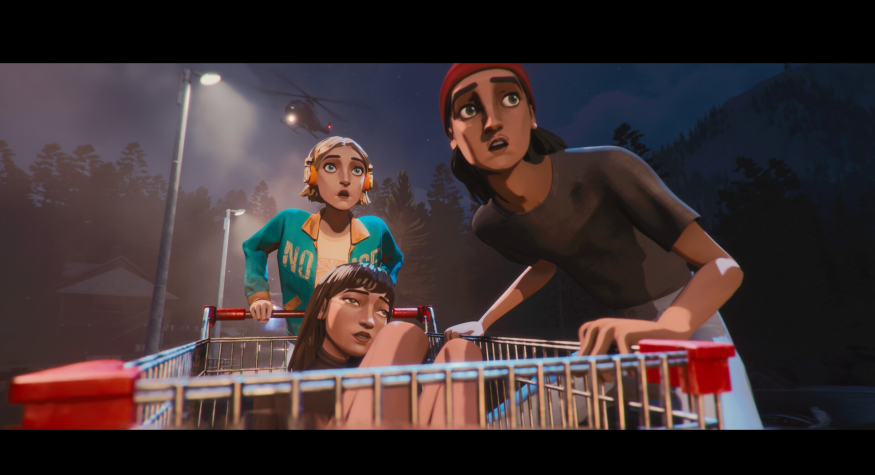
"Mixtape" feels personal and universal because it follows Stacey Rockford and her friends on their final day together, using a simple setup to explore change, friendship, and growing up. While the story is specific, the emotions it captures are widely relatable, especially the feeling of leaving familiar people behind.
The indie narrative game avoids melodrama by focusing on small, believable interactions instead of exaggerated emotional moments. Characters joke, hesitate, and share memories naturally, which helps the emotional impact build in a grounded way. This approach makes the story feel honest rather than scripted.
Visually, "Mixtape" uses stylized animation, live-action clips, and music-video editing to reflect fragmented memories. These creative choices reinforce how real memories often feel incomplete or scattered. Combined with subtle storytelling and realistic friendship dynamics, the game delivers nostalgia that feels both bittersweet and authentic.
Why 'Mixtape' Leaves A Lasting Impression
"Mixtape" stands out because it combines emotional gameplay, music, and believable friendships into one tightly crafted indie narrative game. Its soundtrack is not just memorable background audio; it actively shapes how scenes feel and how players connect to the story. That careful integration helps "Mixtape" feel more personal than many larger narrative adventure games.
For fans of story driven games, "Mixtape" succeeds because it captures the emotional chaos of youth without forcing artificial drama or oversized stakes. The game turns ordinary memories into something powerful through music, atmosphere, and grounded writing. In the end, "Mixtape" leaves players with the feeling of revisiting a deeply personal memory rather than simply finishing another adventure game.
Frequently Asked Questions
1. Is "Mixtape" a choice-driven narrative game?
No, "Mixtape" focuses more on emotional storytelling than branching decisions. The experience follows a mostly linear structure built around memories and relationships. This helps the story maintain a stronger emotional flow. The focus is placed on atmosphere and character interaction instead of major player-driven outcomes.
2. How long is the "Mixtape" game?
"Mixtape" is roughly three hours long from start to finish. Its shorter runtime helps the story feel focused and tightly paced. The game avoids unnecessary filler or repetitive mechanics. This compact structure is one reason many players find the emotional experience more memorable.
3. What kind of music does "Mixtape" use?
The soundtrack combines early-90s tracks with older songs that match the emotional tone of each scene. Music is heavily tied to storytelling and gameplay throughout the adventure. Different songs help shape moments of friendship, awkwardness, rebellion, and reflection. The soundtrack is considered one of the game's strongest features.
4. Why are players praising "Mixtape" so much?
Players are praising "Mixtape" because it combines emotional gameplay, believable writing, and strong music integration into one cohesive experience. The coming-of-age story feels relatable without becoming overly sentimental. Its visual style and soundtrack also help it stand out from other narrative adventure games. Many players connect strongly with its themes of memory, friendship, and growing up.